
How to Keep Your Dryer Safe and Fire-Free
Dryers are a convenient household appliance, but they can also pose a serious fire risk if not properly maintained. Each year, thousands of dryer fires occur, causing property damage and endangering lives. Fortunately, with the right knowledge and habits, you can keep your dryer safe and reduce the risk of fire. This guide will walk you through practical steps and expert advice on dryer fire prevention tips to protect your home and family.
Understanding the Risks of Dryer Fires
Dryer fires often start because of lint buildup, faulty wiring, or improper installation. Lint is highly flammable and can accumulate in the dryer drum, lint trap, and vent system. When the dryer overheats, this lint can ignite, causing a fire.
Other common causes include:
Blocked or crushed dryer vents restricting airflow
Using the dryer without cleaning the lint trap regularly
Ignoring unusual smells or excessive heat during drying cycles
Electrical issues such as damaged cords or faulty thermostats
Knowing these risks helps you take the right precautions to keep your dryer running safely.
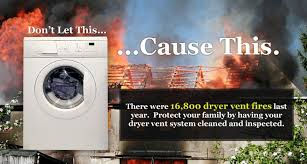
Top Dryer Fire Prevention Tips You Should Follow
To minimize the risk of dryer fires, follow these essential dryer fire prevention tips:
Clean the lint trap after every load
Lint buildup is the leading cause of dryer fires. Always remove lint from the trap before and after each drying cycle.
Inspect and clean the dryer vent regularly
Lint can accumulate in the vent hose and ductwork, restricting airflow. Clean the vent at least once a year or more often if you notice longer drying times.
Use the right venting materials
Avoid plastic or vinyl vent hoses. Use rigid or semi-rigid metal ducts that resist crushing and allow proper airflow.
Keep the area around the dryer clear
Do not store flammable items near the dryer. Keep the space free of clutter to reduce fire hazards.
Check the dryer’s electrical connections
Ensure the power cord and outlet are in good condition. If you notice frayed cords or sparks, have a professional inspect the dryer.
Avoid overloading the dryer
Overloading causes the dryer to work harder and can lead to overheating.
Use the appropriate drying cycle
Select the correct heat setting for your laundry to prevent excessive heat buildup.
Schedule professional maintenance
Have a qualified technician inspect and service your dryer annually to catch potential problems early.
By following these tips, you can significantly reduce the risk of dryer fires in your home.

How to Properly Clean Your Dryer Vent
Cleaning your dryer vent is one of the most important steps in preventing dryer fires. Here’s a simple guide to do it safely and effectively:
Disconnect the vent hose from the back of the dryer.
Use a dryer vent cleaning brush or a vacuum attachment to remove lint from the vent hose and duct.
Check the vent opening outside your home and clear any lint or debris blocking the exit.
Reconnect the vent hose securely to the dryer and wall vent.
If you are unsure or uncomfortable cleaning the vent yourself, consider hiring a professional service. Regular vent cleaning is a key part of preventing dryer fires.
Signs Your Dryer Needs Immediate Attention
Recognizing warning signs can help you avoid dangerous situations. Contact a professional if you notice:
Clothes taking longer than usual to dry
Excessive heat or burning smells during operation
Lint accumulating quickly around the dryer or vent
The dryer shutting off unexpectedly or not starting
Visible damage to the power cord or vent hose
Ignoring these signs can increase the risk of fire and costly repairs.
Additional Safety Measures to Consider
Beyond cleaning and maintenance, here are some extra safety tips:
Install a smoke detector near your laundry area.
Never leave the dryer running when you leave the house or go to bed.
Use a dryer with an automatic shutoff feature if possible.
Avoid drying items with foam, rubber, or plastic parts that can melt or catch fire.
Keep the dryer door open after use to allow moisture to escape and prevent mold.
Taking these precautions adds layers of safety to your laundry routine.
Keeping Your Home Safe from Dryer Fires
Dryer fire prevention is about consistent care and awareness. By maintaining your dryer, dryer vents, and watching for warning signs, you protect your home and loved ones from potential disasters. Remember, simple actions like cleaning the lint trap and scheduling regular vent cleanings can make a huge difference.
Stay vigilant and proactive to enjoy the convenience of your dryer without worry.

By following these practical tips and guidelines, you can ensure your dryer operates safely and efficiently for years to come.


Comments