
The Importance of Regular Air Duct Cleaning for Your Home's Health
Clean air inside your home is essential for your family’s well-being. Many people overlook the role that air ducts play in maintaining indoor air quality. Over time, dust, allergens, and other pollutants build up inside air ducts, which can affect the air you breathe every day. Regular air duct cleaning helps keep your home’s air fresh and healthy, reducing risks to your respiratory system and improving overall comfort.
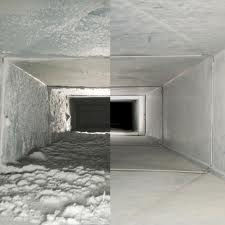
How Air Ducts Affect Indoor Air Quality
Air ducts are the pathways that deliver heated or cooled air throughout your home. When these ducts accumulate dust, mold, pet dander, or pollen, they circulate these particles into your living spaces. This can worsen allergies, asthma, and other respiratory conditions. Even if you regularly change your HVAC filters, dirt and debris can still settle deep inside the ductwork.
Here are some common contaminants found in dirty air ducts:
Dust and dirt
Mold spores
Pet hair and dander
Pollen and outdoor allergens
Bacteria and viruses
These pollutants reduce air quality and can cause symptoms such as coughing, sneezing, headaches, and fatigue. Keeping ducts clean helps reduce these irritants and supports a healthier home environment.
Benefits of Regular Air Duct Cleaning
Scheduling air duct cleaning every few years offers several advantages beyond just cleaner air:
Improved breathing comfort
Removing dust and allergens helps reduce allergy flare-ups and respiratory irritation.
Better HVAC efficiency
Clean ducts allow air to flow freely, reducing strain on your heating and cooling system and lowering energy bills.
Reduced odors
Dust, mold, and pet dander can cause unpleasant smells. Cleaning eliminates these sources.
Extended HVAC lifespan
Less dirt buildup means less wear and tear on your system’s components.
Cleaner home environment
Less dust circulating means less settling on furniture and floors, reducing cleaning time.
Signs Your Air Ducts Need Cleaning
You might not realize your ducts need attention until problems arise. Watch for these signs:
Visible dust or debris around air vents
Noticeable musty or stale odors when HVAC runs
Increased allergy or asthma symptoms indoors
Excessive dust buildup on surfaces despite regular cleaning
Mold growth near vents or inside ducts
Unexplained spikes in energy bills
If you notice any of these, it’s a good idea to have a professional inspect your duct system.
What to Expect During Air Duct Cleaning
Professional air duct cleaning involves several steps to ensure thorough removal of contaminants:
Inspection of the duct system to identify problem areas
Use of specialized tools like brushes and vacuums to dislodge and remove dust and debris
Cleaning of registers, grilles, and other accessible components
Optional sanitizing treatments to reduce bacteria and mold growth
The process usually takes a few hours depending on the size of your home and duct complexity. Hiring a certified technician ensures the job is done safely and effectively.
How Often Should You Clean Your Air Ducts?
The frequency depends on your household and environment. General guidelines suggest cleaning every 3 to 5 years. However, consider cleaning more often if:
You have pets that shed heavily
Someone in your home has allergies or asthma
You recently completed home renovations
Your ducts show visible mold growth
You live in a dusty or polluted area
Regular maintenance keeps your air ducts in good condition and supports your home’s health.
Simple Tips to Maintain Clean Air Ducts
Besides professional cleaning, you can take steps to reduce dirt buildup:
Change HVAC filters every 1 to 3 months
Keep vents and registers clean and unobstructed
Vacuum and dust your home regularly
Control humidity levels to prevent mold growth
Avoid smoking indoors
Seal leaks in ductwork to prevent dust entry
These habits help extend the time between professional cleanings and improve indoor air quality.


Comments